Why givers reach for the safe gift
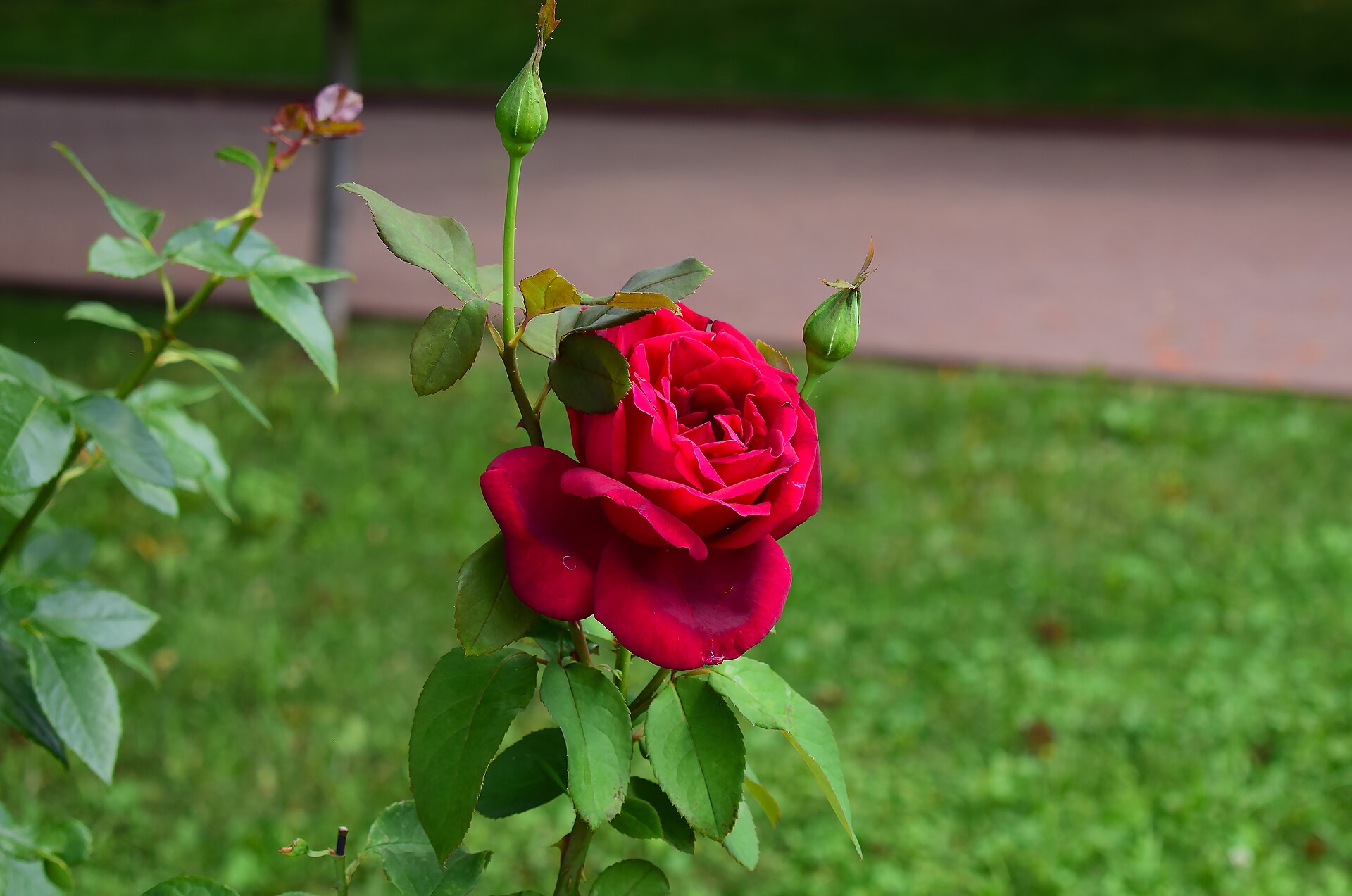
Valentine's Day is one of the largest seasonal gift events in the United States, with total spending above $25 billion in recent industry surveys, and roughly half of it flows into three categories: jewelry, flowers and an evening out. Those categories dominate for a reason that has nothing to do with romance. They are legible — a dozen roses is unmistakably a Valentine's gift — they are returnable, reorderable and nearly immune to taste risk. When you are unsure of yourself, you buy the thing that cannot be misread.
The problem is depreciation. Cut flowers in a typical bouquet have a vase life of five to ten days even with fresh cuts and daily water changes. A box of chocolates is gone in one evening. A restaurant dinner leaves a receipt and a photograph that drifts into a camera roll archive. Behavioral economists call this mental accounting — spending on experiences and consumables feels different from spending on durable goods — but the more useful word is substitutability. Anyone could have sent those roses. The gift carries almost no information about the specific sender, and information about the sender is the exact thing the recipient is hoping for.
What the recipient is actually weighing
When someone unwraps a present, they run a private calculation that rarely matches the price tag: how much of this person's self did this cost? Not money — attention, memory, willingness to be a little exposed. Studies around the IKEA effect and labor valuation show that people consistently value an object more when they can see the work and inside knowledge embedded in it, because that kind of value cannot be reordered from a shelf.
That gives you a simple test for whether a gift is personal enough. Apply the stranger test: could a random person in your city receive the same item and it would still make sense? A nice candle, a branded perfume, a cashmere sock set all fail — they are correct for anyone. "The sky over the city where we met, on the hour we met, for the person who was there" passes, because a stranger has no idea what it means. Notice the asymmetry in the title of this article: givers optimize for not being wrong, while receivers remember whether the giver took an emotional risk. The gifts people still mention ten years later are almost all from the second category, and the good news is that specificity is cheap when you build the artifact yourself.
Twelve ideas built from your own story
Each idea below is generated entirely in the browser from data you supply, exported as a 300 DPI print file and costs nothing to make. Pick the one that matches a moment the two of you actually share.
- The first-meeting star map. Render the exact night sky over the city and hour you met with the Star Map Poster maker — a real stellar catalog, not decorative dots — captioned with the address.
- The first-kiss coordinate poster. One set of latitude and longitude, set large and quiet, from the Coordinate Poster tool. It reads like inside knowledge because it is.
- The vows or first-song lyrics card. Set the line you both quote, or the lyric of the song that was playing, using the Vows & Lyrics Card. For the wording and copyright-safe side of using song lines, our companion article on lyrics and vows wall art walks through what to print.
- The relationship story timeline. Six to ten dated milestones — first date, first trip, the move-in day, the yes — laid out on the Story Timeline Poster.
- The twin night sky. Two cities, one night, shown side by side on the Twin Night Sky. It is the long-distance relationship gift that does not need a caption.
- The love map of all your addresses. Pin the first bar, the shared apartment, the wedding venue into one heart-shaped composition with the Love Map Poster. Why coordinate-based art lands harder than street-map prints is explained in our piece on coordinate map art gifts.
- The night they were born. Their birthday sky is a love-language flex — it says "I wonder about the life before ours." Build it on the Birthday Night Sky tool.
- The first-date moon phase. The moon is factual and unemotional on its own, which is exactly why a framed waxing gibbous with a date feels intimate. Use the Moon Phase Poster.
- The first-trip travel route. The arc from your home city to the first place you traveled together, drawn by the Travel Route Poster.
- The couple zodiac combo. Both sun signs, both constellations, one composition from the Zodiac Combo Poster — playful without being jokey.
- The proposal-morning sky. If you are proposing, record the sunrise or golden hour of the morning you planned, from the Sunrise & Golden Hour tool, and give it after the yes.
- The letter-and-photo collage. For relationships with accumulated history — second marriages, blended families — set a handwritten-letter text over photos with the Letter & Photo Collage maker.
Match the idea to your relationship stage
The same idea lands differently depending on how long you have been together, so match the intensity of the artifact to the evidence behind it. In the first three months, a first-meeting star map is specific without being heavy: it proves you remember the date, it does not propose a future. For long-distance couples, the twin night sky does the emotional work that words often cannot — two people standing under the same rotating dome. For marriages with years of history, the love map or the timeline carries more weight than any single sky because it aggregates the whole account. For a second marriage or a blended family, the letter collage is the most honest form: it names the past explicitly rather than pretending life started on the wedding day. The rule is that the poster should document a fact both of you would independently confirm. If you cannot both finish the sentence "this is the night we…", choose a different night.
The last-minute digital rescue
Personalized gifts are usually the thing you cannot rescue on February 13, because their value depends on a workshop somewhere. Here the order reverses: the personalization is instant. Every one of the twelve ideas above exports a print-ready 300 DPI PNG within seconds, with no account, no upload and no watermark, because the date, place and text never leave your browser. The fastest credible version of the plan: make the poster in the morning, send the file to a local pharmacy, big-box photo center or print shop by 1 p.m., choose same-day pickup for a 12×16 or 16×20 inch matte print, and put it in a stock frame from any home-goods store before dinner. Total elapsed time, under three hours. Keep the digital file as the backup: a framed print can be forgotten in a move, but the file can be reprinted at any size for anniversaries to come.
Budget tiers that still feel personal
Because the design itself is free, the budget decision moves entirely to paper and frame, and the money-to-emotion ratio is unusually favorable at every tier.
- Under $12: the 300 DPI download plus a same-day matte print at a drugstore photo counter. Clip it to a clipboard frame or mount it on foam board. This is the strongest price-to-reaction ratio on the list.
- $15–$40: a heavier matte or satin print at 16×20 inches plus a ready-made frame with a mat. Spend the margin on real glass, not on a wider frame.
- $60–$150: a larger 24×36 inch print in archival matte, a custom profile frame, or a gallery-wrap canvas for the bedroom wall. Reserve this tier for anniversaries, not first Valentine's Days — grandness can read as pressure early on.
The expensive part of a personal gift was never the printing. It is the thirty minutes of remembering accurately: the right date, the right cross-street, the exact line of the song. Get those three facts correct and a $10 drugstore print outperforms a $200 gift-basket tower.
Presentation, framing and the card
Print on matte, not glossy: under glass, glossy stock doubles the reflections of the room and hides the stars. A thin mat in off-white or charcoal makes a dark sky read as an object rather than a screenshot. The card should do one job — supply the sentence the poster cannot say for you. Write a single specific line ("This is the bar on 5th, 11:40 p.m., the night you laughed at my joke and I knew") instead of a holiday greeting. Sign it by hand. If you are giving coordinates as art, keep the presentation equally restrained: no confetti, no pile of small gifts diluting it. One poster, one card, one fact about your life together. That restraint is what makes it read as confidence rather than craft.
Mistakes to avoid and a final checklist
The failures cluster in four places. Wrong data: an estimated time that silently shifts the sky, a city spelled wrong in the caption, a lyric misquoted by one word. Fix by verifying against a ticket stub, a chat timestamp or the streaming history. Generic decoration: adding hearts, glitter fonts or stock love quotes on top of a poster that already contains the real fact — the ornament undercuts the evidence. Print problems: exporting a screenshot instead of the 300 DPI file, or printing on glossy copy paper where the blacks go gray. And timing: leaving the file on your phone with no print booked, which turns the most rescue-able gift on this list into nothing.
Before you hand it over, run this list: the date and place are ones both of you recognize; the location text uses the name you actually call the place; the file exports at 300 DPI in the frame size you bought; the paper is matte; the card contains exactly one true sentence. Five checks, ten minutes, and a Valentine's gift that cannot be reordered by anyone else — including you, if you ever lose the notes.
为什么送礼者总爱选「安全牌」
情人节是全年最大的送礼节点之一:近年的行业调查显示,美国情人节总消费超过 250 亿美元,其中近一半流进三个品类——珠宝、鲜花和外出晚餐。这三个品类之所以垄断,原因与浪漫无关,而在于它们「不会被误读」:一打玫瑰毫无疑问是一份情人节礼物;它们可退、可补货,几乎不受品味风险影响。当一个人对自己没有把握时,就会买那个最不可能被理解错的东西。
问题在于折旧。即使每天剪枝换水,一束鲜切花的瓶插寿命通常也只有五到十天;一盒巧克力一个晚上就没了;一顿晚餐留下一张小票和一张照片,然后沉进相册的深处。行为经济学家称之为心理账户——花在体验和消耗品上的钱,感觉不同于花在耐用品上的钱——但更准确的词是「可替代性」。那些玫瑰换谁都能送,礼物里几乎不包含任何关于送礼者本人的信息,而关于送礼者本人的信息,恰恰是收礼者最想得到的东西。
收礼者真正在掂量什么
拆开礼物的那一刻,对方心里在做一道与价签基本无关的计算:这件东西花掉了多少「这个人自己」?不是钱,而是注意力、记忆力,以及愿意稍微袒露自己的那份勇气。围绕宜家效应与劳动估值的研究反复表明,当人们能看见物品中嵌入的劳动与内部知识时,会一贯地给出更高估值,因为这种价值无法从货架上补货。
这给了你一个判断礼物够不够私人的简单测试——陌生人测试:换一个同城的陌生人收到同样的东西,它是否依然成立?一支好看的蜡烛、一瓶名牌香水、一套羊绒袜子都会失败,它们送给谁都正确。而「我们相遇那座城市、那个小时的天空,送给当时在场的那个人」会通过,因为一个陌生人根本不知道它在说什么。请注意本文标题里的不对称:送礼者在优化「别出错」,收礼者记住的却是「这个人愿不愿意冒一次情感风险」。十年后人们还会提起的礼物,几乎都属于第二类。好消息是,当你亲手制作这件信物时,这种「具体」非常便宜。
用你们自己的故事做的 12 个创意
下面每个创意都完全在浏览器里由你提供的数据生成,导出为 300 DPI 的印刷文件,制作本身不花一分钱。挑一个对应你们真实共同时刻的:
- 初遇星空图。用星空地图海报工具还原你们相遇那座城市、那个小时的真实夜空——基于真实星表而非装饰点阵——下方写上地址。
- 初吻坐标海报。用坐标海报工具把一组经纬度放得又大又安静。它读起来像内部情报,因为它本来就是。
- 誓言或定情曲歌词卡。把你们常引用的那句话、或当时在放的那首歌的那句词,用誓言歌词卡排出来。印歌词时怎么措辞、如何避开版权风险,配套文章歌词与誓言墙饰有完整说明。
- 恋爱故事时间线。把第一次约会、第一次旅行、搬家日、答应求婚等六到十个有日期的节点,排在故事时间线海报上。
- 双人夜空。两座城市、同一个夜晚,并置在双人夜空海报里。这是异地恋礼物里唯一不需要配文字说明的一张。
- 你们所有地址的爱情地图。把第一次去的酒吧、合租的公寓、结婚的场地钉成一张心形构图,用爱情地图海报。坐标艺术为什么比普通街道地图更打动人,坐标地图艺术礼物一文讲清了原理。
- 对方出生那晚的天空。生日夜空是一种爱的语言——它在说「我好奇你遇见我之前的那段人生」。用生日夜空海报制作。
- 第一次约会那天的月相。月亮本身客观而冷静,正因为如此,一轮标着日期的盈凸月才显得亲密。用月相海报。
- 第一次旅行的路线。用旅行路线海报画出从你们的城市到第一次同行之地的那条弧线。
- 双人星座组合。两个太阳星座、两个星座形象放进同一构图,用星座组合海报——俏皮但不滑稽。
- 求婚清晨的天光。要求婚的话,用日出与黄金时刻记下你计划的那个早晨,在对方答应之后送出。
- 信件照片拼贴。对于已经积累了很多历史的关系——再婚、重组家庭——用信件照片拼贴把手写信文字铺在照片之上最诚实。
让创意匹配你们的关系阶段
同一个创意在关系的不同阶段分量完全不同,要让信物的强度与背后的证据相匹配。在一起不满三个月时,初遇星空图具体而不沉重:它证明你记得那一天,但没有预支未来。对异地情侣,双人夜空替你们说出了语言常常说不出的那句话——两个人站在同一片旋转的天穹之下。对已经有年头的婚姻,爱情地图或时间线比任何单片星空都更重,因为它汇总的是整段账户。对再婚或重组家庭,信件拼贴是最诚实的形式:它明确地命名过去,而不是假装人生从婚礼那天才开始。一条总规则:海报记录的必须是你们两人都能独立确认的事实。如果你们无法各自补全「这是我们……的那个晚上」这句话,就换一个晚上。
临时救急:数字下载方案
私人定制礼物通常是 2 月 13 日唯一救不回来的东西,因为它的价值依赖某个工坊的工期。在这里,顺序恰好反过来:定制是即时的。上面十二个创意的每一个,都能在几秒内导出印刷就绪的 300 DPI PNG,无需注册、无需上传、没有水印,因为日期、地点和文字根本不会离开你的浏览器。最快的可信版本是这样:上午做好海报,下午一点前把文件发给本地药店、大型超市的照片中心或快印店,选当日可取的 12×16 或 16×20 英寸哑光打印,晚饭前从家居店配一只现货相框装进去。全程不到三小时。数字文件本身要留好备份:装框的印刷品可能在搬家中遗失,而文件可以在今后每个纪念日按任意尺寸重印。
预算分层:钱少也能私人化
因为设计本身免费,预算决策完全转移到了纸张与相框上,而且每一档的「金钱—情感」转化率都高得反常。
- 12 美元以内:300 DPI 下载件加药店照片柜台当日可取的哑光打印,配一只夹板相框或贴在发泡板上。这是全清单里性价比最高的一档。
- 15–40 美元:更厚实的 16×20 英寸哑光或缎面打印,加一只带卡纸的现货相框;预算优先留给真正的玻璃,而不是更宽的边框。
- 60–150 美元:24×36 英寸收藏级哑光大幅打印、定制细边相框,或卧室墙上的画布绷框。这一档留给周年纪念而不是第一个情人节——太早的隆重会被读成压力。
私人礼物真正昂贵的部分从来不是印刷,而是那三十分钟的「准确回忆」:对的日期、对的那条横街、对的那句歌词一字不差。这三样事实准确,10 美元的药店打印能赢过 200 美元的礼品篮高塔。
呈现、装裱与卡片
用哑光纸,不要用光面:压在玻璃下,光面相纸会把房间的灯影成倍反出来,星星反而被遮住。一圈米白或炭灰的细卡纸能让深色夜空被读作一件作品,而不是一张截图。卡片只需完成一个任务——补上那张海报无法替你说出口的句子。写一句具体的话(「这是第五大道那家酒吧,晚上 11 点 40,你笑了我的笑话,那一刻我就知道了」),而不是节日套话,并且亲手签名。如果送的是坐标艺术,呈现也要同样克制:不要亮片碎纸,不要一堆小礼物稀释它。一张海报、一张卡片、一个关于你们共同生活的事实——正是这种克制让它读起来像笃定,而不是手艺。
要避开的坑与最终清单
失败集中在四处。数据错误:一个「差不多」的时间悄悄转歪了星空,地名拼错,歌词错一个字——对照电影票根、聊天时间戳或播放历史逐一核实。装饰过度:在已经包含真实事实的海报上再加爱心、闪光字体和库存情话, ornament 反而削弱了证据。印刷问题:导出的是截图而不是 300 DPI 文件,或印在光面复印纸上,黑色发灰。以及时间问题:文件留在手机里、打印没下单,于是这份本清单里最容易救急的礼物变成了什么都没有。
交出之前过一遍这份清单:日期与地点是你们俩都认得的;地点文字用的是你们平时对那个地方的真实叫法;文件按所购相框尺寸以 300 DPI 导出;纸张是哑光;卡片里恰好有一句真话。五项检查、十分钟,换来一份任何人——包括丢了草稿的你自己——都无法重新下单的情人节礼物。