Why the grief is underestimated
Pet loss is the textbook case of disenfranchised grief — sorrow that employers, acquaintances and sometimes even relatives do not recognize as a real bereavement. There is no service for most people, no customary leave, no widely accepted script for condolences. The scale of the bond makes that gap consequential: industry surveys place roughly two-thirds of U.S. households with a pet, around 87 million homes, with dogs and cats numbering well over a hundred million. For most of those households the animal is present for twelve to eighteen years, which is longer than many marriages and most jobs. When an owner surveys in clinical research describe the loss, roughly a third rate the experience as comparable to losing a family member — yet the surrounding rituals treat the death as optional, a sadness others are allowed to wave away.
That mismatch is the design brief for a memorial: people do not need a louder expression of the feeling; the feeling is already running at full volume privately. They need an object that grants the grief official status, the way a printed certificate grants a qualification. A good memorial is therefore quiet, specific and durable — closer to a headstone's logic than to a greeting card's.
What "not tacky" actually means
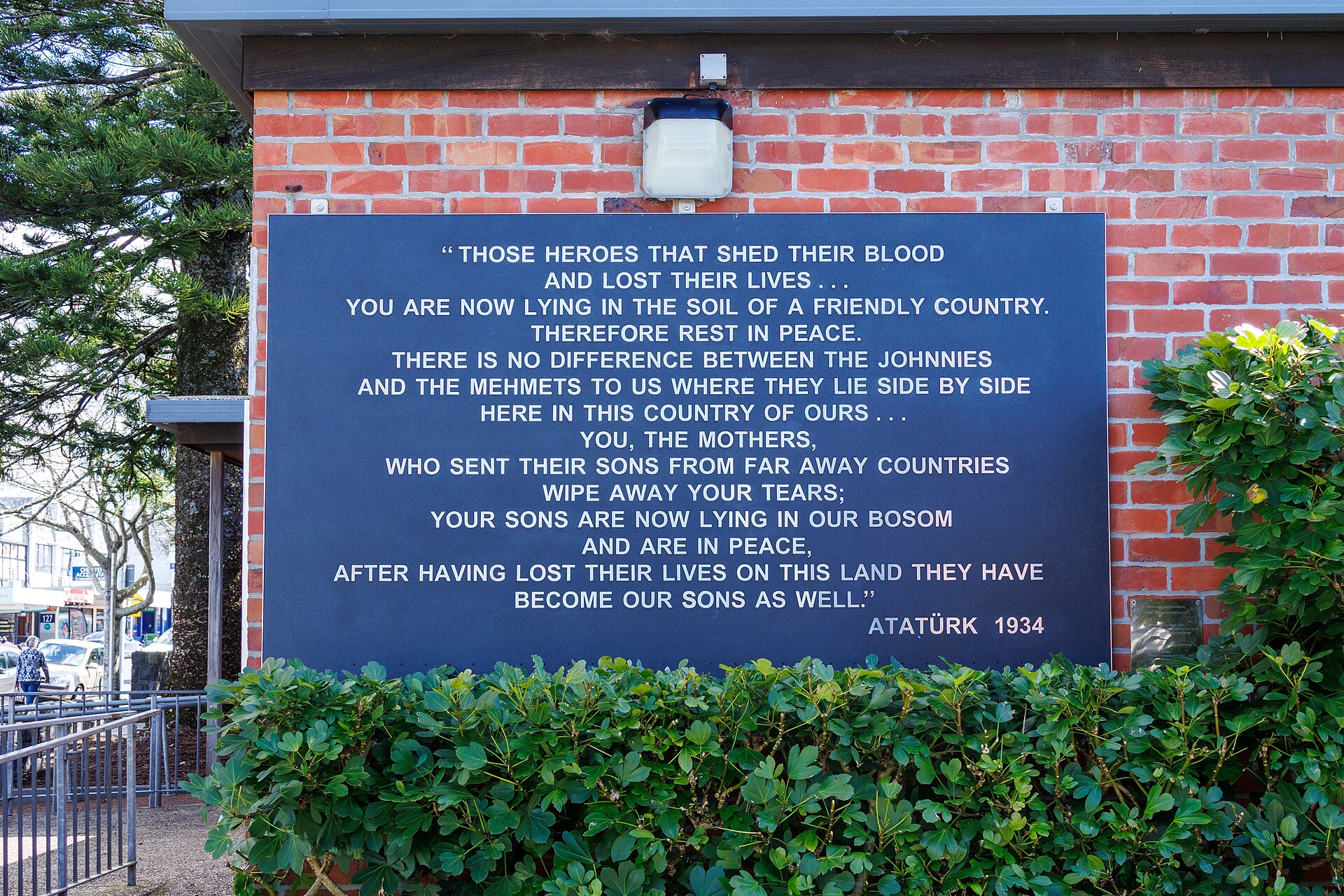
Taste in memorials is mostly subtraction, and the first thing to subtract is borrowed language. The rainbow-bridge convention and winged-halo cartoon paws assume the bereaved person's theology and aesthetic simultaneously, and they flatten a specific animal into a stock illustration: at the exact moment the owner most wants that animal's individuality asserted, the stock image says "any generic pet." That inversion is what makes mass-market memorial gifts feel cheap regardless of their price.
Restrained copy means one line of evidence rather than several lines of sentiment: name, one date or two, perhaps one short sentence the household actually used — "the best mouser on Maple Court," not "gone but never forgotten." If a phrase could appear on anyone's memorial, cut it. Avoid glitter, gradient skies, angel wings, clipart paw-print trails and anything animated. Dark matte ground, real typography, generous space. The visual goal is that a stranger walking past the framed piece in a hallway should read it as a portrait of a family member without being told.
The real name and the one-photo rule
Print the name the animal actually answered to — the barn name, the shortened name, even the ridiculous registered-name abbreviation the household kept as a joke — not a solemnized version you invented for the occasion. The name is the single most specific fact available, and its specificity does all the emotional work. A poster titled "Mabel, 2011–2024" moves people who never met the dog; "In Loving Memory of Our Beloved Pet" moves nobody, including the owners.
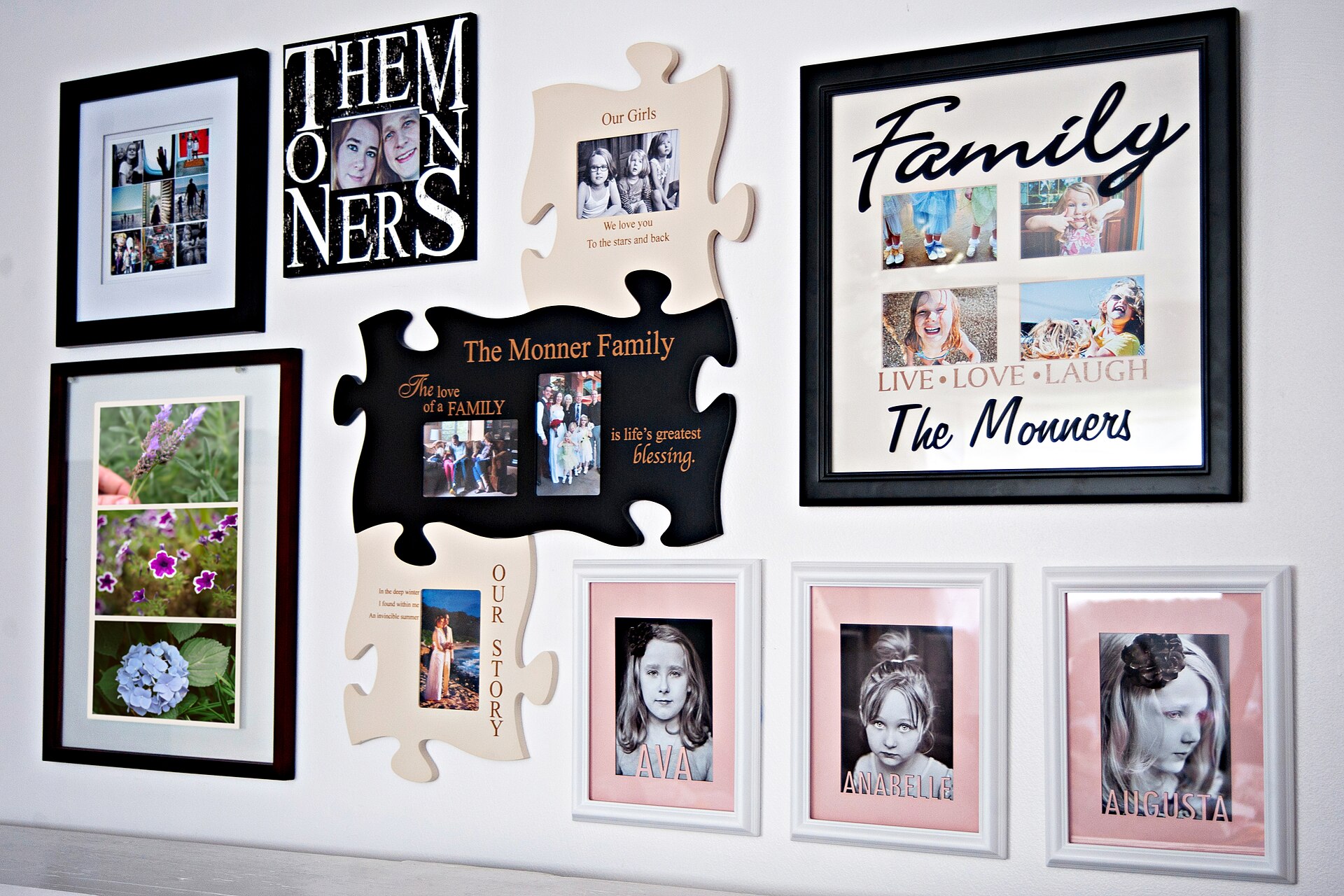
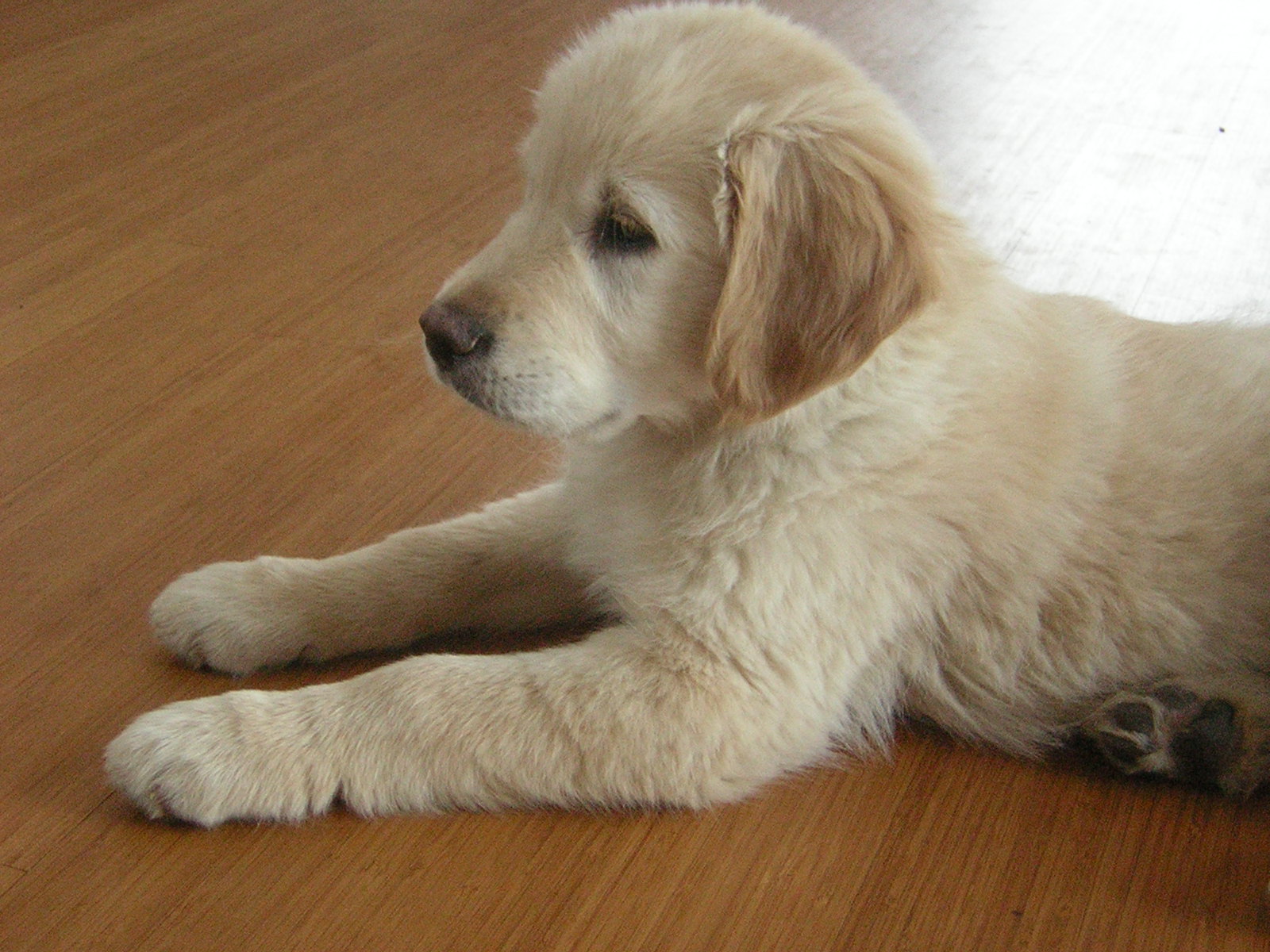
For imagery, one photograph that looks most like them beats five that look good. The criterion is recognition, not composition: choose the frame where a household member would say "yes, that's the face," usually mid-expression — the crooked sit, the narrowed eyes on the windowsill — over the well-lit portrait where the animal looks generic. One image also prevents the tone of a promotional slideshow. If no single strong photo exists, use no photo at all and let the night sky carry the piece; a factual star field is more dignified than a grid of thumbnails nobody can identify.
The first week and weeks two to six
The timing windows are short and they do different jobs. The first week is practical. Owners are making the veterinary or cremation arrangements, answering the same messages repeatedly, managing children and surviving animals who are looking for the absent one. Food delivery, yard help, a short handwritten note, and taking charge of logistics are the gifts that land; a custom art object arriving in week one can feel like another decision in a week with no decisions left. Send the file instead — "I made this for whenever you want it" — and let it wait.
Weeks two through six are the keepsake window. Condolences stop arriving almost precisely when the loss stops being a story and becomes a quieter fact of the house. That is when a framed or framed-ready memorial carries the most weight: it arrives into the silence where the collar on the shelf and the empty leash position are, and it converts an absence into something placed deliberately on the wall. After six weeks the moment for a gift softens; it is never too late, but the object shifts from comfort to archive, so present it as a record rather than consolation.
What not to say — and what to say
- Don't say "you can get another one," "at least he had a long life," "everything happens for a reason," or "are you going to rehome the other one soon." Each closes the door on the grief in a different way.
- Don't rename the feeling: avoid announcing when they "should" feel better, and don't call the crying surprising.
- Do say the name. "I keep thinking about Mabel under the kitchen table." Specific shared memory is the complete condolence; most owners will immediately tell you the next story themselves.
- Do acknowledge the role: "she was your shadow for fourteen years, that's a marriage." Naming the commitment validates what the workplace calendar does not.
- On the memorial copy, do one sentence of observed fact and stop. The artifact should be the talkative one; the card should be brief.
Star maps, quotes and collage formats
Three formats on this site suit pet memorials better than portrait products. The Star Map Poster renders the actual night sky over a place and hour that meant something — the adoption pickup, the last night at home, a field where the dog was walked every evening. Caption it with the real name and no further mythology; the astronomy is already accurate enough to require no invented afterlife. For owners who do not know an exact hour, an evening time works, because the visible constellations rotate slowly through the night. For the word-driven bond, the Quote Poster can set one household line in large type — the command that always worked, the sound you made to call them in from the yard. Because a single-line memorial is partly a copyright and wording decision, our note on why we are free and watermark-free also explains why a private line beats a borrowed quotation when the piece may be framed for decades; if you want a lyric instead, the wording guidance in the piece on lyrics and vows wall art applies unchanged.
When several usable photos do exist, the Letter & Photo Collage sets a short letter to the animal over a handful of images — this is the only multi-photo format we recommend, because the letter supplies one voice and keeps a lifetime of snapshots from becoming a jumble. Print everything matte at 300 DPI; glossy black coats reflect the room and fight the quiet the piece is trying to make.
For yourself versus for a grieving friend
Making your own memorial and gifting one are different briefs. For yourself, choose the largest fact load: the star map with the full date and place, because you are the archivist and you will want the precision later. Start the file in week one even if you cannot look at it; making something with the facts while they are accessible is a mercy to the version of you searching for them in year three. For a friend, choose the lightest object: a single quote sheet or a digital star-map file with an offer to print it at whatever size they want. Do not frame on their behalf unless you live with them — a frame is a claim about their walls and their taste during a week when both feel unmanageable.
For a child's loss, use the animal's name in large plain type and a daytime-walk photo rather than a night sky; children need the recognizable thing more than the adults do. For the surviving other pet, skip the memorial gift to the household entirely in the first two weeks; their routine, not an object, is what is being grieved.
Placement, ritual and final checklist
Place the piece where the animal's route used to cross — beside the door they waited at, above the shelf that held the leash — rather than in a formal living room that pretends nothing lived there. Sightline matters more than hierarchy: it should be visible from the chair where the owner sits in the first hard minutes of an evening. Keep the leash, collar or tag near it rather than buried immediately; the memorial plus one worn object is a stronger ritual than either alone.
- Name the animal actually answered to; no generic "beloved pet" headline.
- One recognition photo if any, zero if none; no stock paw or rainbow illustration.
- One factual line maximum; borrow nothing theological, nothing from a greeting card.
- Star map, quote or letter collage chosen for the bond; exact place and an evening hour verified.
- Practical help in week one; the framed or file gift timed to weeks two through six.
- Matte 300 DPI print; placement on the animal's old route; condolence says the name and one shared memory.
A memorial built to that list does what the surrounding culture currently fails to: it treats the length of an animal's life as a matter of record, and grants the grief the recognition that the calendar did not.
为什么这份悲伤被低估
宠物离世是「被剥夺资格的悲伤」的典型案例——雇主、熟人,有时连亲戚都不承认这是一种真正的丧亲。对多数人来说,没有仪式、没有惯例假期、没有被广泛接受的悼唁脚本。而关系的规模让这个缺口格外沉重:行业调查显示,约三分之二的美国家庭饲养宠物,约 8700 万户,猫狗总数远超一亿只。对其中大多数家庭,这只动物在场十二到十八年,比许多婚姻和多数工作都长。临床研究中的主人调查反复发现,约三分之一的人把这份失去描述为与失去一位家人相当——但周围的礼节却把它当作一种可被他人挥手劝止的、可有可无的难过。
这种错配正是一件纪念品的设计依据:人们不需要更大声地表达情绪,情绪在私下早已开到最大音量;他们需要一件物品,给这份悲伤一个正式身份,就像一张印刷证书赋予一项资格。因此好的纪念物安静、具体、耐久——逻辑更接近墓碑,而不是贺卡。
「不土味」到底指什么
纪念物的品味主要靠减法,第一件要减掉的就是借来的语言。彩虹桥套路、光环与卡通爪印同时替悲伤者假定了信仰与审美,还把一只具体的动物压成一张库存插画:在主人最想强调这只动物独一无二的时刻,通用素材说的却是「随便哪只宠物」。这种倒置,正是量产纪念礼物无论卖多少钱都显得廉价的原因。
克制的文案意味着一行证据,而不是几行情绪:名字、一个或两个日期,也许再加一句家里真正用过的短句——「枫树苑最棒的捕鼠能手」,而不是「离去但永不被遗忘」。如果一句话能出现在任何人的纪念物上,就删掉它。避开金粉、渐变天空、天使翅膀、剪贴画风爪印轨迹和一切会动的元素。深色哑光底、真正的字体排版、大量留白。视觉目标是:陌生人在走廊里经过装框的作品,不用介绍就读出这是一位家庭成员的肖像。
真名原则与一张照片法则
印它平时真正回应的那个名字——家里叫的名字、缩称,甚至那个全家当笑话保留下来的繁名缩写——而不是你为了这个场合新造的庄严版本。名字是所有可用事实里最具体的一个,它的具体性独立完成全部情感工作。一张写着「梅宝,2011–2024」的海报能打动从没见过这只狗的人;「深切怀念我们挚爱的宠物」谁也打动不了,包括主人自己。
图像方面,一张最像它的照片胜过五张好看的照片。标准是辨认度而不是构图:选家里任何人看一眼都会说「对,就是这个表情」的那一帧——通常在某个动作中途,歪着身子坐下、窗台上眯着眼——而不是光线完美但动物显得面目模糊的肖像照。只用一张图,也避免了促销幻灯片的调子。如果没有一张够强的照片,就干脆不用照片,让夜空承担整件作品:一片有事实的星空,比一张谁都认不出的缩略图网格体面得多。
第一周与第二到六周
时间窗很短,而且各自承担不同任务。第一周是务实的。主人在处理兽医或火化安排、反复回复同样的消息、照顾孩子和还在找失踪同伴的另一只动物。送饭、帮忙整理院子、一封手写短信、接管后勤,才是落得进去的礼物;一件定制艺术品在第一周送达,感觉像在一个已经无力做决定的星期里又添一个决定。把文件发过去就好——「我做好了,你想什么时候用都行」——让它等。
第二到六周是纪念品窗口。慰问消息几乎恰好在失去从「一个事件」变成「屋子里一件更安静的事实」时停止。这时一件已装框或随时可装框的纪念物分量最重:它走进那段寂静,那里有架子上的项圈和空牵引绳的位置,它把一种缺席转变成被有意识挂在墙上的东西。六周之后,送礼时机的紧迫感会变柔;永远不会太晚,但物件从安慰转为档案,所以送的时候把它定位成一份记录,而不是一份慰藉。
不该说的话与该说的话
- 别说「可以再养一只」「至少它也算长寿了」「一切都有安排」「你打算什么时候再养一只」。每一句都以不同方式把门关上。
- 不要替情绪命名:别宣布他们「应该」什么时候好起来,也别说没想到你会哭成这样。
- 要说出名字。「我一直想起梅宝钻在餐桌底下的样子。」具体的共同记忆就是完整的悼唁;多数主人会立刻自己接出下一个故事。
- 要承认这段关系:「它跟了你十四年,形影不离,这跟一段婚姻没有区别。」说出这份承诺,就等于认可了工作日历不认可的东西。
- 纪念物文案上,写一句观察到的事实,然后停笔。话多的应该是物件本身,卡片要短。
星空、引言与拼贴三种方案
本站三种形式比肖像类产品更适合宠物纪念。星空地图海报还原一个有意义的地点与时刻的真实夜空——接它回家的那天、在家的最后一晚、每晚遛狗的那片田野。配文只用真名,不需要再添加任何神话;天文学本身已经足够准确,不需要虚构的来世。如果主人不确定具体小时,填一个傍晚时间即可,因为可见星座在一夜之间转动缓慢。对靠语言建立的纽带,引言海报可以把一句家里的口头禅放成大字——那句永远管用的口令、站在院子里喊它回家的那个声音。因为一行字的纪念同时涉及版权与措辞决策,为什么我们免费且无水印一文也解释了当一件作品要装框几十年时,一句私人的话为什么胜过借来的名言;若你想用一句歌词代替,歌词与誓言墙饰里的措辞指引同样适用。
当确实存在好几张可用照片时,信件照片拼贴把一封写给动物的短信铺在几张照片之上——这是我们唯一推荐的多图形式,因为信件提供了一个统一的声音,让一辈子的快照不至于散成一堆。所有作品一律哑光、300 DPI;深色光面会反出房间,与作品试图营造的安静作对。
为自己做与替朋友送的区别
为自己制作与送礼是两份不同的简报。为自己,选信息量最大的:带完整日期地点的星空图,因为你是档案员,日后你会感谢这份精确。第一周就可以开始建文件,哪怕你还没法直视它;趁事实还在手边把东西做出来,是对第三年到处翻找它们的那个你的仁慈。替朋友做,选最轻的物件:一张单句引言,或一个星空数字文件,附上「你想印多大我来印」的承诺。除非你们同住,不要替对方装框——在一个墙壁与品味都无力承受的星期里,相框是对他家墙面的一种主张。
对孩子的失去,用大号朴素字体印动物的名字,配一张白天散步的照片而不是夜空;孩子比大人更需要认得出的东西。对家里幸存的另一只宠物,前两周彻底别提纪念礼物;被哀悼的是它的日常规律,而不是一件物品。
位置、仪式与最终清单
把作品放在它生前路线经过的地方——它守过的门边、挂牵引绳的架子上方——而不是一间假装没有生命居住过的正式客厅。视线比层级重要:傍晚最难熬的头几分钟,主人从常坐的椅子上应该能看见它。牵引绳、项圈或名牌保留在旁边,不要立刻埋掉;纪念物加一件旧物组成的仪式,比两者单独都强。
- 用它真正回应的名字;不要「挚爱的宠物」这类通用标题。
- 有照片就只用一张能辨认的,没有就零张;不要库存爪印或彩虹插画。
- 文案最多一句事实;不借用任何神学语言,不借用贺卡句子。
- 星空、引言或信件拼贴按羁绊选择;地点与傍晚时刻核实过。
- 第一周给务实帮助;装框件或文件礼物安排在第二到六周。
- 哑光 300 DPI 印刷;挂在它旧路线上;悼唁说出名字加一段共同记忆。
按这份清单做出的纪念物,完成了周遭文化目前没能完成的事:它把一只动物生命的长度当作一件有记录的事,把日历没有承认的悲伤,还给了它应得的认可。