Why a birth stats poster can't be compared on price
Comparison shopping assumes comparable goods — same materials, same SKU, competing sellers. A personalized birth-stat poster breaks every condition. Its raw material is a data set that exists once in the world: this child's exact minute, weight to the ounce, length to the quarter inch, the hospital's coordinates. A second seller cannot list the same item, because the same inputs will never occur again; even an identical twin has a different time and weight. The honest price comparison for a one-of-one record is not with another poster listing — it is with what happens when the record disappears. Hospitals print the figures on a wristband and a bassinet card, both of which are typically discarded within weeks; parents' phones hold the announcement text, but screenshots get buried under years of uploads.
So the value question is not "how much per square inch." It is: what would you pay, in year seven, to recover the 3:42 a.m. timestamp and the 7 lb 11 oz figure after the birth paperwork is gone? That question has no market answer, which is exactly why price comparison tabs feel unsatisfying here. What you can compare is production quality — typography, resolution, whether the file reprints at 300 DPI at 24×36 inches — and what it costs you to make it. The keepsake tools on this site price the production at zero, which moves the entire decision from shopping to data gathering. Get the facts right once; the artifact can then be reprinted forever, at any size, by anyone in the family.
The birth-data checklist and the unit traps
Collect before anyone sleeps, because the most accurate source documents leave the building with discharge:
- Full legal name spelling as it will appear on the birth certificate, including accents and suffix order.
- Date and clock time in local time at the place of birth — not your home time zone if you traveled to deliver.
- City and hospital name, ideally the street; for star and coordinate posters also capture latitude and longitude (most birth hospitals resolve to within a single building).
- Weight and length exactly as recorded. This is where unit errors live. One pound is 0.4536 kg and one inch is 2.54 cm; US paperwork is imperial, much of the rest of the world metric, and rounding twice — hospital rounds, then you round again — quietly changes 3.52 kg into "about 7 lb 12 oz" and then into a wrong figure on the wall. Enter the original unit and let the Birth Stats Poster tool do the conversion, and sanity-check: 50 cm is about 19.7 in, 3.3 kg is about 7 lb 4 oz.
- Gestation weeks, birth order and siblings if you will print a series.
One rule for every field: transcribe, don't paraphrase. "Around three in the morning" on a poster that is meant to last eighty years is a permanent rounding error; 3:42 a.m. is evidence.
Four nursery styles, four poster directions
Match the keepsake to the room so it hangs from month one instead of waiting in a tube.
- Bohemian: warm cream stock, terracotta and sage accents, rounded hand-lettered headings; birth-flower motifs and the lighter sky themes fit naturally.
- Minimalist: white or charcoal ground, one aligned type family, maximum space, a single moon disc or one coordinate pair. Nothing illustrative competes with the changing table clutter.
- Woodland: deep matte navy or forest tones with the night-sky family; constellations and the moon read as treetop sky rather than literal decor.
- Celestial: full star maps of the birth night over the hospital — the most literal match, and the one grandparents photograph most.
For a shared-room or gender-neutral brief, navy and cream with gold type outlasts the pink-and-blue palette by years, which matters when the print is meant to survive a room redecoration and a move.
Birthstones, birth flowers and name meanings
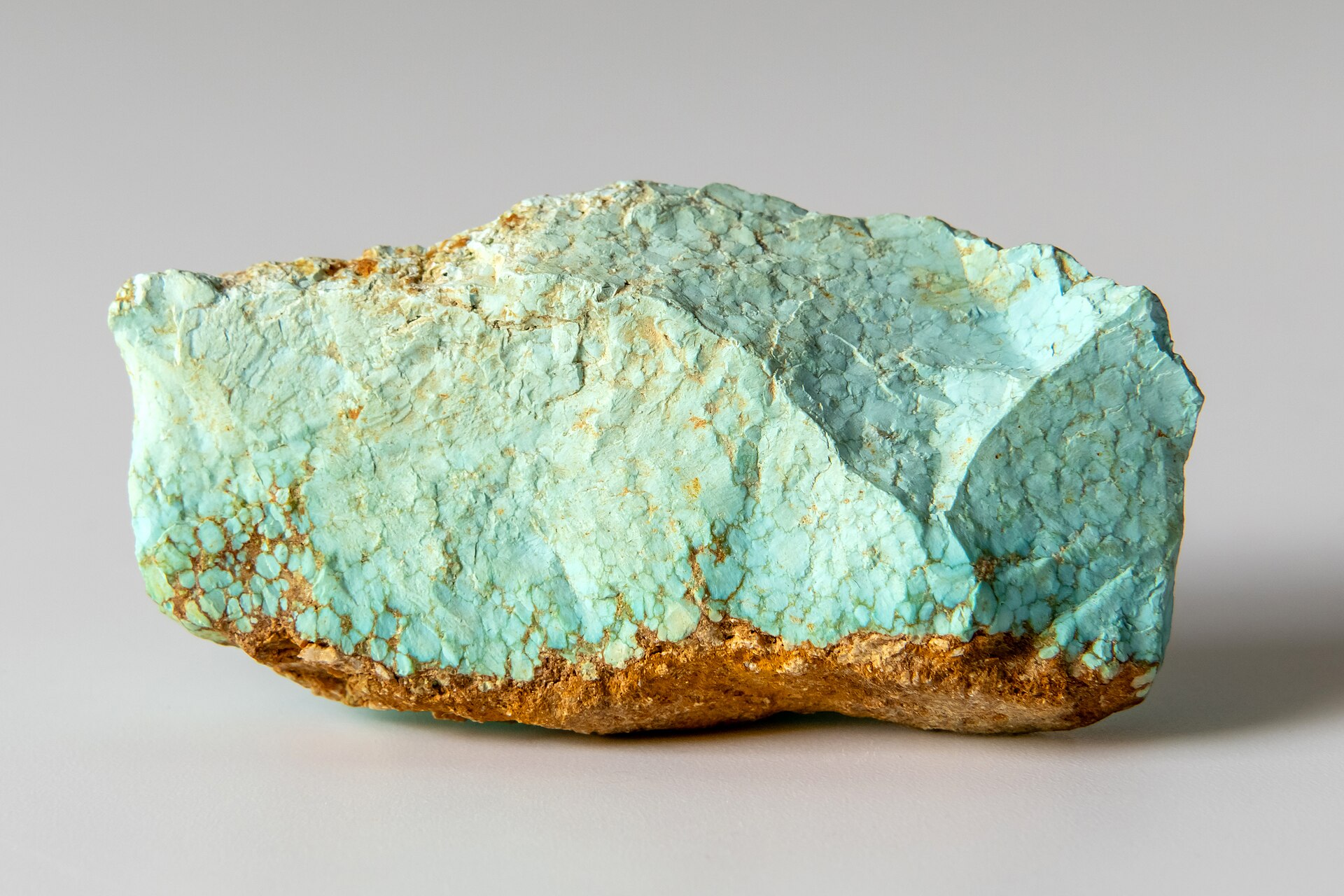
Once the statistical record exists, the symbolic layer is where siblings and grandparents love to contribute. The Birthstone & Birth Flower tool pairs the month's gemstone — garnet through turquoise on the modern list — with the traditional birth flower; verify the flower against your family's culture before printing, because the lists vary (May is lily-of-the-valley on the American convention, hawthorn on the British one). The stone color can be pulled into the poster's accent line, which ties the statistic sheet to the room palette without adding a charm bracelet's worth of clutter.
The name deserves its own sheet. The Baby Name Poster renders the chosen name with origin and meaning, and meaning should be sourced the same way as the birth data: checked, not hoped. Name-book cards from the shower routinely invent etymologies; cross-check at least two reputable sources, and if the meaning is uncertain or unflattering, print the origin and the family reason you chose it instead. A name poster given by the relative who chose the name is the rare grandparent gift that carries zero risk of being re-gifted.
The announcement: sizes that survive social
Parents typically need the same asset in three shapes within the same week: a 4:5 portrait for feed posts, a 1:1 square for profile grids and a 9:16 vertical for stories. Designing the poster at print resolution covers all three by cropping rather than upscaling — a 300 DPI 16×20 inch file downscales crisply to every phone ratio, while a screenshot upscaled to print goes soft. Export the master first, then crop copies for the announcement, and leave a quiet margin inside the frame so platform UI does not cover the weight line or the name. Keep one uncropped, unfiltered version archived: it is the file the child will actually want in twenty years, not the one with the engagement metrics.
The gifting time windows
Baby gifting has a calendar most gift guides ignore because the windows are short and emotional. Before the birth, no statistical gift is possible, but the void is real: a Pregnancy Milestones poster or the already-finished name poster gives the waiting parents something to put on the nursery wall during week 36. The first week is for practical help, not decor — food, laundry, holding the baby while they shower. Send the digital file then; promise the framed print. Weeks two to six are the keepsake window: the adrenaline fades, visitors thin out, and a framed birth-stat sheet arriving at week four often becomes the only non-photo artifact of those months. The first holidays — the first Christmas, Lunar New Year or first birthday — suit the milestone-card sets and the reprinted large format for grandparents.
For friends grieving a birth that didn't go to plan, a poster can wait months; ask rather than assume, and when it is welcomed, the night-sky version with just the name and date is gentler than the full statistics sheet.
Building a keepsake bundle
The series structure is what turns one print into a family archive rather than a decorated wall: birth stats in month zero, a name sheet beside it, and Baby Milestone Cards printed once and photographed repeatedly for first smile, first tooth and first steps. Same paper, same frame profile, same position on the shelf — the set reads as an edition, which is the visual language institutions use for records worth keeping.
Budget the bundle the same way: print all pieces in one order to reach the multi-print discount, frame the hero 16×20 and clip the milestone cards to a simple rail. The recurring cost is essentially paper; the design files remain free and reprintable when a card gets splashed, torn or chewed, which it will be.
Printing for the nursery and final checklist
Nursery prints live under changing-table light for years, so matte or satin stock beats glossy (reflections and sticky fingerprints both), and pigment inks or a photo-lab print resist the sun exposure from the window better than office inkjet. A thin mat keeps the dark-blue sky looking deliberate instead of printed-at-home. For sizes, DPI targets and a printable-pixel lookup, our poster printing guide has the full table; for arranging the birth print alongside shelf ledges and family photos in the finished room, the gallery wall guide covers spacing and centerline height so the nursery wall is hung once.
- Data transcribed from the discharge paperwork in the original units; conversions done by the tool.
- Theme matched to the nursery palette; 300 DPI master exported before social crops.
- Name meaning and birth flower verified against two sources.
- File delivered in week one, framed print in weeks two to six, matte stock.
- Milestone cards printed in the same order and stored within arm's reach of the changing table.
为什么出生数据海报无法比价
比价的前提是商品可比——同样的材料、同样的规格、互相竞争的卖家。个性化出生数据海报破坏了所有前提。它的原料是一组世上只存在一次的数据:这个孩子精确到分钟的出生时刻、精确到盎司的体重、四分之一英寸的身长、医院的坐标。没有第二个卖家能上架同样的商品,因为同样的输入永远不会再次发生;即使是同卵双胞胎,时间与体重也不同。对一件独一无二的记录,诚实的比价对象不是另一家海报商品,而是「记录丢失」本身。医院把这些数字印在腕带和婴儿床卡上,两者通常在几周内被丢弃;父母手机里存着报喜短信,但截图会被年复一年的上传淹没。
所以真正的价值问题不是「每平方英寸多少钱」,而是:第七年,当出生文件已经找不到时,你愿意花多少钱找回凌晨 3 点 42 分和 7 磅 11 盎司这两个数字?这个问题没有市场答案,这正是比价标签在这里令人无力的原因。你能比较的是制作质量——排版、分辨率、文件能否在 24×36 英寸下以 300 DPI 重印——以及制作成本。本站纪念工具把制作成本定为零,于是整个决策从「购物」变成了「收集数据」。事实一次取对,成品此后可以由家里任何人、按任意尺寸、永久重印。
出生数据清单与单位陷阱
趁所有人都还没睡觉先收集,因为最准确的原始单据会在出院时离开这栋楼:
- 法定全名拼写,与出生证明一致,包括重音符与后缀(小/大三世)。
- 日期与钟表时间,用出生地当地时间——如果你是异地生产,不要用家乡时区。
- 城市与医院名,最好写到街道;要做星空或坐标海报时,一并记下经纬度(多数妇产医院能精确到单栋楼)。
- 体重与身长,严格按记录原样抄。单位错误就藏在这里:1 磅等于 0.4536 千克,1 英寸等于 2.54 厘米;美国单据用英制,世界很多地方用公制,两次四舍五入——医院取一次整、你再取一次——会悄悄把 3.52 千克变成「大约 7 磅 12 盎司」,再变成墙上一个错数字。请输入原始单位,让出生数据海报工具完成换算,并做常识校验:50 厘米约 19.7 英寸,3.3 千克约 7 磅 4 盎司。
- 孕周、胎次、兄弟姐妹信息——如果你要印成系列。
每个字段一条规则:誊抄,不要转述。在一张打算流传八十年的海报上,「凌晨三点左右」是一个永久的舍入误差;凌晨 3 点 42 分才是证据。
四种婴儿房风格,四个海报方向
让纪念品匹配房间,它才能从第一个月就挂上墙,而不是一直躺在纸筒里。
- 波西米亚风:暖米色纸底、陶土色与鼠尾草绿点缀、圆润的手写感标题;诞生花元素与浅色天空主题最自然。
- 极简风:白或炭灰底色、单一对齐的字体家族、大量留白、一枚月相圆盘或一组坐标。没有任何插画与尿布台的杂物竞争。
- 林地风:深哑光海军蓝或森林绿配夜空系列;星座与月亮读起来像树梢之上的天空,而不是直白的装饰画。
- 天体风:医院上空出生那一夜的完整星空图——最贴切的搭配,也是祖父母拍照最多的一张。
共用房间或追求性别中立时,海军蓝配奶油色加金字,比粉蓝配色更能多活好几年——当一件印品需要扛过一次房间翻新和一次搬家,这很重要。
诞生石、诞生花与名字寓意
统计记录就位之后,象征层是兄弟姐妹与祖父母最爱参与的部分。诞生石与诞生花工具把当月宝石——现代列表从一月石榴石到十二月绿松石——与传统诞生花配对;印之前请按家庭文化核实花种,因为各地名单并不相同(五月在美国惯例是铃兰,在英国惯例是山楂)。宝石的颜色可以提取为海报的点缀线,把数据表与房间配色系在一起,又不必增加一串幸运手链式的杂乱。
名字值得单独一张。宝宝名字海报把选定的名字连同词源与寓意一起呈现,而寓意的考据方式应与出生数据一致:查证,而不是许愿。迎婴派对上的起名卡常常生造词源;至少交叉核对两个可靠来源;如果寓意不确定或不好听,就印词源,加上你们选择它的家庭理由。由选名字的那位长辈送出的名字海报,是极少数完全不会被转送的祖辈礼物。
出生宣布:能活过社媒的尺寸
父母通常在同一周内需要同一份素材的三种形状:信息流的 4:5 竖图、主页网格的 1:1 方图、限时动态的 9:16 竖版。按印刷分辨率设计母版,三种形状都靠裁切而非放大获得:300 DPI 的 16×20 英寸文件清晰下采样到任何手机比例,而截图放大印刷就会发虚。先导出母版,再裁出报喜用的副本,并在画面内留出安静边距,界面按钮才不会压住体重行或名字。保留一份未裁切、未加滤镜的版本归档:二十年后孩子真正想看的是这份,而不是点赞数最高的那份。
送礼物的时间窗
新生儿送礼有一份多数礼物指南忽略的日历,因为窗口又短又情绪化。出生前,任何统计类礼物都不成立,但空缺真实存在:一张孕期里程碑海报,或早已做好的名字海报,让等待中的父母在孕 36 周时就有东西挂上婴儿房的墙。第一周属于务实帮助,不属于装饰——送饭、洗衣、在他们洗澡时抱一会儿孩子。这时把数字文件发去,承诺装框版随后到。第二到六周是纪念品窗口:肾上腺素退去,访客变稀,第四周到的一张装框出生数据页,常常成为那几个月唯一的非照片实物。第一个节日——第一个圣诞、春节或周岁——适合里程碑卡套装和给祖父母的大幅重印版。
如果朋友的生产不如预期,海报可以等几个月再提;先询问而不是假设。当对方愿意接受时,只有名字与日期的夜空版比完整数据表更温柔。
搭一套纪念组合
系列化结构能把一张印品变成家庭档案,而不是一面装饰墙:第零个月的出生数据、旁边一张名字页,再加上印一次、反复入镜的宝宝成长卡片,记录第一次笑、第一颗牙、第一步。同纸张、同框型、架子上同一个位置——整套看起来像一个版本,而那正是机构用来对待「值得保存的记录」的视觉语言。
预算也按同样方式编排:所有单件在同一订单打印以拿到多件折扣,主海报装 16×20 英寸的框,成长卡片夹在一根简易横杆上。经常性成本基本只剩纸张;设计文件免费且可反复重印——卡片被泼了、撕了、啃了(一定会的),重印即可。
为婴儿房印刷与最终清单
婴儿房印品要在尿布台边的光线下挂很多年,所以哑光或缎面纸胜过光面(反光与粘手印两个问题都少),颜料墨水或照片馆冲印比办公室喷墨更耐窗边日晒。一圈细卡纸能让深蓝夜空看起来是刻意的作品,而不是家里打印的。尺寸、DPI 目标与可印像素对照表见海报印刷指南;把出生印品与隔板、家庭照片一起布置时,画廊墙布置指南给出了间距与中线高度,婴儿房的墙一次挂对。
- 数据按出院单据原单位誊抄,换算交给工具。
- 主题与婴儿房配色匹配;社媒裁切前先导出 300 DPI 母版。
- 名字寓意与诞生花经两个来源核实。
- 第一周内交付文件,第二到六周交付装框印品,哑光纸。
- 成长卡片同一订单打印,放在尿布台伸手可及处。